
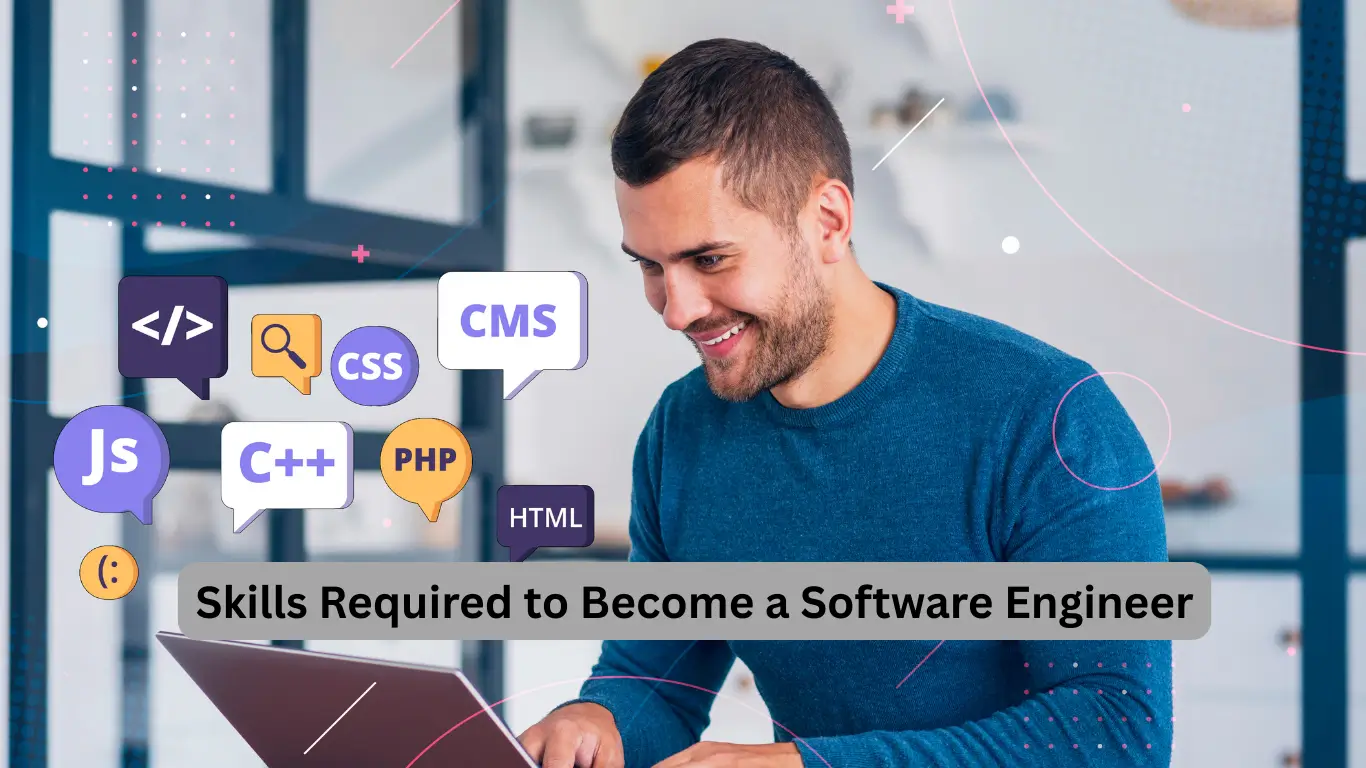
Most articles about software engineering skills look impressive at first. They list popular programming languages, mention teamwork, and promise quick success. However, they rarely explain what companies truly expect in real jobs. In 2026, employers want problem solvers, not certificate collectors. If you follow outdated advice, you may spend years learning the wrong things. This guide explains the real skills employers look for today, based on real hiring patterns and professional experience.
Many beginners fall into the same traps explained in software engineer roadmap, which shows why shortcuts rarely lead to real careers.
What Does a Software Engineer Actually Do?
A software engineer does much more than write code on a computer. In real companies, engineers spend large amounts of time reading old programs, fixing bugs, improving existing systems, and discussing solutions with teammates. They also document their work and attend planning meetings. Only a small part of the job involves writing new code. This is why companies look for balanced professionals who can think, communicate, and adapt. If you’re curious about building a career without a formal degree, check our guide on this topic.
Programming Languages: Learn One Well First
Many beginners believe they must learn several languages to succeed. This belief slows progress. Employers prefer candidates who deeply understand one language instead of knowing five poorly. In 2026, Python, JavaScript, Java, and C# remain highly valuable. Pick one and study it seriously. Learn its syntax, logic, libraries, and best practices. A strong foundation makes learning other languages much easier later. In 2026, Python, JavaScript, Java, and C# remain highly valuable.
Data Structures and Algorithms: The Interview Filter
Data structures and algorithms remain the strongest hiring filter in software engineering. Companies use them to test thinking ability, not memory. You must understand arrays, linked lists, stacks, queues, trees, graphs, and sorting methods. You also need basic time complexity knowledge. Many talented developers fail interviews because they ignore this topic. Without this skill, your chances at top companies drop sharply.To strengthen your fundamentals, follow software testing basics, which also covers logical thinking for coding challenges.
Version Control and Team Collaboration
Modern software is built by teams, not individuals. Every professional engineer must know how to use Git and online repositories. You should understand branching, merging, resolving conflicts, and submitting pull requests. Companies expect you to protect shared code and follow review systems. If you accidentally damage important files because you lack version control skills, managers will lose trust quickly.
Databases, APIs, and System Communication
Most real software systems store data and communicate through networks. You must understand basic SQL, simple NoSQL concepts, REST APIs, authentication, and HTTP methods. These skills allow your programs to interact with other systems. Even mobile and desktop developers use these ideas. Without database and API knowledge, you cannot build complete products that companies actually need. For developers choosing their learning path, our Degree vs Bootcamp vs Self-Taught guide explains which path best prepares you for these essential skills.
Testing, Debugging, and Deployment
Professional engineers focus on preventing problems, not just fixing them. You must know how to write basic tests, locate errors logically, read logs, and deploy simple applications. Many beginners ignore testing because it seems boring. However, companies value developers who produce stable software. A person who reduces system failures is often more valuable than a fast coder who creates constant bugs.
Communication and Workplace Skills
Strong communication separates average developers from respected professionals. You must clearly explain ideas, mistakes, and solutions to teammates and managers. Meetings, reports, and documentation are part of daily work. Many skilled programmers fail because they cannot express themselves well. Companies prefer engineers who help teams work smoothly and avoid misunderstandings. For practical tips on improving communication and collaboration as a developer, see our 8TShare6a Software Full Overview guide.
Problem Solving and Critical Thinking
Real-world problems rarely have perfect answers. Requirements change, users behave unexpectedly, and systems fail under pressure. You must learn to break problems into small parts, test ideas quickly, and adjust solutions. This skill grows through practice and failure. Developers who think calmly under pressure often advance faster than those who only follow tutorials. Developers who think calmly under pressure often advance faster than those who only follow tutorials, as explained in Kuta Software.
Learning Ability and Career Growth
Technology changes every year. Languages, frameworks, and tools rise and fall quickly. Your most important skill is learning how to learn. In 2026, companies value engineers who adapt fast and stay curious. Reading documentation, experimenting, and asking good questions matter more than memorizing syntax. Continuous learners remain valuable even when industries change.
Skill Priority Roadmap for 2026
Not all skills deserve equal attention. Beginners should focus first on core programming, data structures, Git, debugging, and simple projects. These are Tier 1 skills and cannot be skipped. After mastering them, learn cloud basics, API design, and testing tools. Advanced skills like architecture and security come later. Following this order prevents burnout and confusion.
AI and Developer Tools in Modern Work
Artificial intelligence has changed how engineers work, but it has not replaced them. Good developers use tools like ChatGPT and Copilot to speed up tasks. However, they always verify results and understand the logic. Companies reject candidates who blindly copy AI output. You must learn how to guide AI, correct mistakes, and improve generated code responsibly. Explore practical examples in Zenvekeypo4 software to see how tools can improve workflow responsibly.
Degree, Bootcamp, or Self-Taught Path
There is no single correct education path. Computer science degrees provide strong fundamentals but require time and money. Bootcamps offer fast training but vary in quality. Self-taught learners enjoy flexibility but need discipline. In 2026, employers care more about demonstrated ability than certificates. A strong portfolio often matters more than formal education.
Building a Portfolio That Gets Interviews
Your portfolio must prove real problem-solving ability. Weak portfolios contain copied tutorials and basic calculator apps. Strong portfolios show original ideas, clean structure, documentation, and user-focused design. For example, instead of building a simple to-do list, create a task system with login, database storage, notifications, and reports. Such projects show employers that you understand real systems.
Such projects show employers that you understand real systems, just like Microsoft emphasizes in their software development guidelines.
Resume and LinkedIn Optimization
Many resumes never reach human recruiters because automated systems filter them. You must include clear skill keywords, tools, and measurable achievements. Avoid vague phrases like “worked on projects.” Instead, describe results, technologies, and scale. A strong LinkedIn profile also improves visibility. Proper optimization increases your chances of getting interviews without changing your skills.
How Employers Test Your Skills
Hiring usually follows several steps. First, recruiters review resumes. Next, candidates complete online tests. Then come technical interviews and system discussions. Finally, managers evaluate communication and attitude. Employers assess thinking ability, code quality, teamwork, and reliability. One weak area can cancel strong technical knowledge. Preparation must cover all stages. Tools like LTSpice software can help you practice problem-solving and simulate real-world scenarios.
Common Mistakes That Limit Success
Many learners slow their progress by chasing every new trend. Others ignore fundamentals and depend on shortcuts. Some rely too much on AI and stop thinking independently. Another major mistake is avoiding real projects because of fear of failure. Growth requires discomfort. Engineers who accept mistakes and learn from them improve faster.
Real Career Example: From Beginner to Professional
One learner I mentored started with no technical background. During the first six months, he studied Python, Git, and algorithms daily. Next, he built web applications and learned databases. In the second year, he added cloud skills and freelancing experience. He was hired as a junior engineer and promoted within eighteen months. Consistency made the difference. Next, he built web applications, learned databases, and explored productivity tools like Logitech Unifying Software to streamline his workflow.
What to Do in the Next 90 Days
If you are serious, create a simple plan. In the first month, choose one language and learn basics. Start data structures practice. In the second month, build small applications and master Git. In the third month, complete a strong portfolio project and practice interviews. Daily effort matters more than motivation.
FAQs
Can You Make $250,000 as a Software Engineer in 2026?
Yes, but only with advanced skills and strong experience. Engineers earning $250,000 usually work in big tech, finance, AI, or startups with stock options. They master system design, leadership, and high-impact projects. Beginners should first focus on building strong fundamentals and experience.
What Are the 7 Skills of a Professional Software Engineer?
The seven core skills are programming mastery, problem solving, version control, testing, communication, system thinking, and continuous learning. Together, these skills help engineers build reliable systems, work well in teams, and grow steadily in competitive job markets.
What Are the 3 C’s of Competency in Software Engineering?
The three C’s are Coding, Communication, and Critical Thinking. Coding builds solutions, communication prevents mistakes, and critical thinking improves decisions. Engineers who balance these three skills adapt faster and earn more trust from employers.
What Are the Six Essential Skills for Software Engineers?
The six essential skills are programming, algorithms, debugging, databases, teamwork, and learning ability. These skills allow engineers to build complete systems, solve real problems, and stay relevant as technology changes.
What Are the Top 5 In-Demand Skills in 2026?
The top five skills are Python or JavaScript, cloud computing, API development, cybersecurity basics, and AI-assisted development. These skills match modern company needs and increase hiring chances across industries.
What Are the 10 Qualities of a Great Engineer?
Great engineers show curiosity, discipline, patience, responsibility, honesty, adaptability, focus, teamwork, problem-solving, and resilience. These qualities help them handle pressure, improve quickly, and earn leadership opportunities.
What Are the 12 Core Competencies for Software Engineers?
They include programming, algorithms, databases, APIs, testing, Git, cloud basics, security awareness, documentation, communication, system design, and continuous learning. Mastering these creates a strong professional foundation.
Is AI Replacing Software Engineers in 2026?
No. AI supports engineers, but cannot replace thinking, responsibility, and system design. Skilled developers who use AI wisely earn more, not less.
Final Thoughts:
Software engineering in 2026 rewards people who think clearly, learn continuously, and work responsibly. You do not need perfection to succeed. You need steady improvement. Focus on fundamentals, practical projects, communication, and ethical use of technology. These habits protect your career even when tools and trends change. Skills, not shortcuts, create lasting success.